Newsletter Subscribe
Enter your email address below and subscribe to our newsletter
Enter your email address below and subscribe to our newsletter

 ByJohn A
Smart devices enable real-time monitoring, interoperable data exchange, and automated alerts that drive faster clinical decisions. Wearables convert continuous signals into actionable trends, while smart pharmacy and remote monitoring unify dosing, refills, and outcomes data. Scalable data fusion supports patient-centered interfaces and transparent workflows. The result is improved safety, efficiency, and engagement, with measurable impacts on readmissions and satisfaction. The question remains: how will organizations align standards, governance, and incentives to maximize value?
Smart devices enable continuous, real-time monitoring and rapid response by collecting and transmitting patient data across interoperable platforms.
The approach centers on smart diagnostics, enabling early detection without delay and supporting scalable care delivery.
Data privacy remains foundational, guiding secure transmission and storage.
Automated alerts streamline clinician workflows, while patient engagement drives adherence, transparency, and informed decision making within interoperable ecosystems.
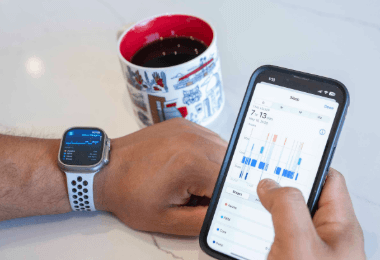
Wearables translate continuous streams of physiological data into actionable personal health insights by integrating metrics such as heart rate, activity, sleep, and glucose trends with interoperable health records.
The result is structured, interoperable signals that enable proactive decision-making, calibrating patient risk profiles and care pathways.
Wearables insights emerge from standardized data transformation, supporting scalable, patient-empowered management through data translation and cross-system interoperability.
Streamlining care in modern healthcare ecosystems hinges on integrating smart pharmacy solutions with remote monitoring to close gaps between prescription management and ongoing patient surveillance. The approach emphasizes interoperability, standardized calibration workflows, and seamless data exchange to support timely interventions.
Medication synchronization aligns refills with real-time refill data, enabling proactive dosing adjustments, enhanced safety, and patient autonomy within a coherent, data-driven care continuum.
Evaluating impact requires a rigorous synthesis of outcomes, efficiency gains, and patient experience across interconnected smart devices and remote monitoring systems.
The analysis emphasizes outcomes measurement, interoperability, and scalable data fusion to quantify care delivery improvements.
Strategic benchmarks compare resource use, readmission trends, and device-enabled workflow gains.
Insights center on patient satisfaction, provider efficiency, and data-driven guidance for sustainable, freedom-supporting healthcare evolution.
See also: How Smart Devices Are Transforming Communication Systems
Smart devices mitigate privacy risks through encryption, access controls, and continuous auditing, while data minimization reduces exposure; clinics pursue interoperable, standards-based solutions that enable secure sharing, maintain patient autonomy, and support freedom to choose trusted technologies.
“Like a key turning smoothly,” the answer: patients can control data sharing from wearables via explicit patient consent settings; choices impact data interoperability, ensuring freedom with granular controls, while institutions preserve transparency and integrate patient-directed data into strategic, compliant workflows.
Regulatory approvals encompass clearances from FDA, CE, and similar bodies, ensuring safety and effectiveness. Patient privacy is safeguarded through data minimization and HIPAA-like protections. A data-driven, interoperability-focused strategy supports freedom to share securely across platforms.
Yes, staff training beyond basics is typically required, ensuring ongoing device maintenance, interoperability with systems, and data integrity; organizations pursue structured curricula, competency assessments, and governance to sustain strategic benefits while preserving freedom to adapt workflows.
Affordable devices vary by feature set, but many options fit small practices within budget, supporting practice budgeting through predictable, scalable costs, subscription models, and interoperability certifications, enabling data sharing and strategic modernization while preserving clinician autonomy and financial flexibility.
Smart devices knit real-time data into actionable care pathways, strengthening safety, efficiency, and patient engagement. A physician notes a 72-hour alert loop—an elderly patient’s fall risk flagged by wearable data, pharmacy reconciliations, and remote monitoring—preventing an emergency. This convergence illustrates how interoperable signals translate into timely interventions, reduced readmissions, and higher satisfaction. As networks scale, standardized data exchange, aligned workflows, and patient-centered interfaces will sustain measurable outcomes and a transparent, future-ready health ecosystem.