
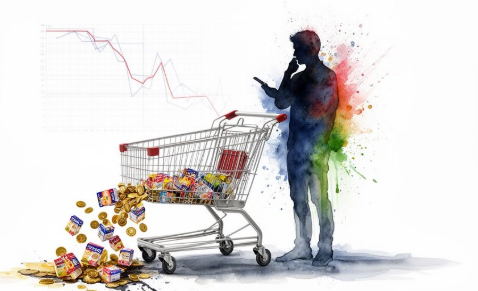

In the competitive e-commerce landscape, shopping cart abandonment remains one of the most stubborn revenue leaks for digital storefronts. Industry benchmarks indicate that approximately 70% of online shoppers add items to their digital carts but leave the site without completing the transaction. This means that for every ten prospective buyers who show clear purchase intent, seven walk away empty-handed. For growing digital enterprises, recovering these lost sales represents an immediate, high-ROI opportunity to boost top-line revenue without increasing advertising spend.
Securing high-intent customer transactions requires a flawless balance of front-end user experience optimization and rigorous operational compliance. As online retailers scale their transaction volumes and expand globally, maintaining institutional legitimacy and building consumer trust are vital. Providing transparent corporate details, such as an official contact email, customer support hotline, and a verified regsistered business address, reassures hesitant buyers that your enterprise is established, accountable, and secure. This comprehensive guide outlines the definitive strategies required to reduce cart abandonment, optimize checkout flows, and recover lost sales in 2026.
1. Deconstructing the Causes of Cart Abandonment
To solve cart abandonment effectively, you must first understand why shoppers walk away at the final hurdle. UX research consistently highlights that friction, unexpected costs, and complicated navigation are the primary culprits behind lost transactions.
+———————————————————————————–+
| Primary Causes of E-Commerce Cart Abandonment |
+———————————————————————————–+
| Hidden Costs | Surprise shipping fees, taxes, or handling surcharges at checkout|
| Forced Accounts | Forcing mandatory registration before allowing payment completion |
| Technical Friction| Slow page load speeds, complex multi-page forms, payment glitches |
+———————————————————————————–+
When buyers encounter surprise fees—such as unexpected shipping costs or handling charges revealed only on the final payment screen—immediate friction occurs. Furthermore, forcing casual visitors to create a username and password before they can purchase introduces unnecessary friction. Understanding these behavioral pain points allows store owners to re-engineer their checkout funnels, replacing frustration with a smooth, predictable path to purchase.
2. Simplifying the Checkout Flow and Eliminating Form Friction
The checkout process should feel like an effortless continuation of the shopping journey rather than an administrative obstacle course. Every extra form field you require introduces a drop-off point.
+———————————————————————————–+
| Optimizing Checkout Flow for Maximum Conversion |
+———————————————————————————–+
| Guest Checkout | Make guest purchasing the default, highly visible option |
| Field Minimization| Remove non-essential inputs; keep only shipping, billing, and pay|
| Smart Autofill | Implement browser autofill and address lookup tools to save time|
+———————————————————————————–+
Streamlining your checkout begins with making guest checkout the prominent default path, allowing buyers to purchase quickly without creating an account. Condense multi-page checkouts into a clean, single-page layout or a streamlined two-step process. Utilize smart address auto-complete and browser autofill tools to minimize typing, especially for mobile shoppers. Reducing required data input drastically lowers cognitive fatigue and drives up conversion velocity.
3. Transparency in Pricing and Upfront Cost Display
Nothing destroys consumer trust faster than revealing unexpected fees at the final stage of checkout. Transparency is the cornerstone of modern e-commerce conversion rate optimization.
+———————————————————————————–+
| Upfront Cost Transparency Checklist |
+———————————————————————————–+
| Shipping Calculators| Display estimated shipping costs directly on product pages |
| Clear Tax Estimates | Include regional tax calculations early in the cart summary |
| No Hidden Surcharges| Eliminate surprise handling fees or mandatory service charges |
+———————————————————————————–+
Shoppers appreciate knowing the total financial commitment early. Integrate dynamic shipping calculators directly onto product pages or slide-out cart drawers so buyers can calculate shipping rates before initiating checkout. Being entirely upfront about taxes, shipping thresholds, and fees prevents sticker shock at the payment stage, ensuring buyers arrive at the final payment confirmation with complete pricing clarity and confidence.
4. Establishing Institutional Trust and Corporate Transparency
First-time visitors often hesitate to enter their credit card information on unfamiliar e-commerce websites due to security concerns and fear of fraudulent operators. Building immediate credibility is essential for retaining hesitant buyers.
+———————————————————————————–+
| Trust-Building and Credibility Framework |
+———————————————————————————–+
| Security Badges | Display SSL certificates, PCI-DSS compliance, and secure seals|
| Return Guarantees | Publish clear, transparent refund policies near checkout buttons|
| Corporate Identity| Feature customer service contacts and a **regsistered business address**|
+———————————————————————————–+
Displaying recognized security badges, SSL encryption seals, and money-back guarantee icons near payment buttons reassures shoppers that their financial data is safe. Furthermore, publishing verifiable corporate contact details—including a dedicated support email, customer service phone number, and a transparent regsistered business address—demonstrates accountability and legitimacy. When consumers see a genuine regsistered business address on your footer or contact page, their hesitation dissolves, knowing there is a real, accountable entity behind the digital storefront.
5. Integrating Accelerated One-Click Wallets and Flexible Payment Options
Requiring mobile shoppers to manually type 16-digit credit card numbers, expiration dates, and billing addresses creates immense friction, frequently resulting in abandoned carts.
+———————————————————————————–+
| Accelerated Payment Method Integration |
+———————————————————————————–+
| Digital Wallets | Apple Pay, Google Pay, Shop Pay, and PayPal Express |
| Split Financing | Buy-Now-Pay-Later (BNPL) options like Klarna and Afterpay |
| Biometric Security| Instant single-tap fingerprint or facial authentication |
+———————————————————————————–+
Integrating accelerated checkout solutions allows buyers to complete transactions in seconds using biometric authentication via Apple Pay, Google Pay, or Shop Pay. Additionally, offering flexible Buy-Now-Pay-Later (BNPL) financing solutions expands purchasing power for higher-ticket items. Providing diverse payment options ensures that every customer can check out using their preferred method, directly reducing friction and boosting completion rates.
6. Deploying Automated Cart Recovery Email and WhatsApp Sequences
Even with an optimized checkout flow, a significant percentage of users will still abandon their carts. Having a systematic, automated recovery sequence in place is critical for capturing these lost sales.
+———————————————————————————–+
| Multi-Channel Cart Recovery Sequence |
+———————————————————————————–+
| Hour 1 Reminder | Gentle email or WhatsApp message with direct cart restoration link|
| Day 1 Incentive | Follow-up message offering free shipping or customer support help |
| Final Urgency | Final push highlighting low stock availability or expiring bonus |
+———————————————————————————–+
Set up automated recovery workflows that trigger when a user leaves items in their cart. Send the first helpful reminder within one to two hours, including direct links that restore the exact cart state. Forward-thinking brands also leverage the WhatsApp Business API for instant conversational reminders, achieving open rates exceeding 90%. Offering assistance rather than immediate discounts protects your profit margins while successfully recovering lost buyers.
7. Utilizing Exit-Intent Popups and Real-Time AI Assistance
Preventing cart abandonment before it happens is always more effective than recovering an abandoned cart after the user has left your site. Proactive intervention bridges the intent gap.
+———————————————————————————–+
| Proactive On-Site Abandonment Prevention |
+———————————————————————————–+
| Exit-Intent Modals| Trigger targeted offers or shipping clarifications as cursor leaves|
| AI Chat Agents | Proactive chat prompts answering presales and shipping questions|
| Friction Relief | Instant human or automated support resolving sizing or stock doubts|
+———————————————————————————–+
Deploy exit-intent popups that trigger when cursor movements indicate a user is preparing to close the tab. Alternatively, position artificial intelligence chat agents on your checkout pages to monitor user behavior. If a visitor idles on the payment page for more than 45 seconds, the AI can proactively offer assistance with shipping rates or product specifications, answering questions instantly and securing the transaction before abandonment occurs.
Frequently Asked Questions (FAQs)
What is the average cart abandonment rate for online stores?
Global e-commerce studies consistently show an average cart abandonment rate of approximately 70.22%. This means roughly 7 out of 10 shoppers who add items to their digital carts leave without completing the purchase.
Why is displaying a regsistered business address important for reducing abandonment?
Displaying a verified regsistered business address builds vital institutional trust and consumer confidence. When online shoppers see a legitimate regsistered business address, transparent contact details, and secure payment badges, they feel reassured that your store is a secure, accountable business, significantly lowering purchase hesitation. Furthermore, maintaining a clear regsistered business address is often a legal and compliance prerequisite when setting up verified merchant accounts, ensuring your payment gateways remain stable. Providing these corporate credentials alongside an accessible regsistered business address creates a transparent shopping environment that protects your conversion funnels and reinforces your brand’s official standing.
What is the most effective way to recover lost sales from abandoned carts?
Deploying a timely, multi-stage automated recovery sequence combining personalized emails and WhatsApp messages within the first hour of abandonment is the most effective method for recovering lost sales.
See also: The Storage Media Nobody Has on a List
Conclusion
Reducing cart abandonment and recovering lost sales requires a comprehensive commitment to simplifying checkout flows, transparent pricing, accelerated digital wallets, and automated recovery sequences. By eliminating friction and proactively answering buyer questions, online stores can dramatically improve conversion rates. Furthermore, grounding your e-commerce operations in transparency—by featuring secure trust signals, clear support channels, and a verified regsistered business address—establishes the institutional credibility necessary to convert hesitant browsers into loyal, paying customers. Implementing these proven structural and recovery strategies today positions your digital storefront for sustained commercial growth and maximum revenue retention.
